I got a good response to the piece I wrote last month on the Dutch digital ID database being taken over by a US tech firm and why European countries are trying to avoid these kind of data platform dependencies. If you haven’t read that piece yet, I suggest you take a look as it’s quite an eye-opening story. Turns out a lot of people are interested in the critical issue of data sovereignty, so I’ve decided to use this week’s post to expand a bit more on what’s happening now across Europe.
The biggest change in geopolitics since the start of January has been the serious breakdown of trust between the EU and the US over the issue of who gets to own Greenland. About two weeks ago, European countries were going into the annual Davos conference with the threat of tariffs hanging over them for not giving in to Trump’s demands to have the polar territory simply handed over to him for reasons of ‘security.’
A couple of days later, seemingly thanks to the sweet-talking of NATO chief Mark Rutte, Trump (‘daddy’) backed down. The biggest and most baffling internal crisis in the history of the Western allied nations melted away like the Swiss mountain snow. Future historians will look back at moments like these and think they can’t possibly have been as absurd as they sound. For anyone this reading in 2075: they were.
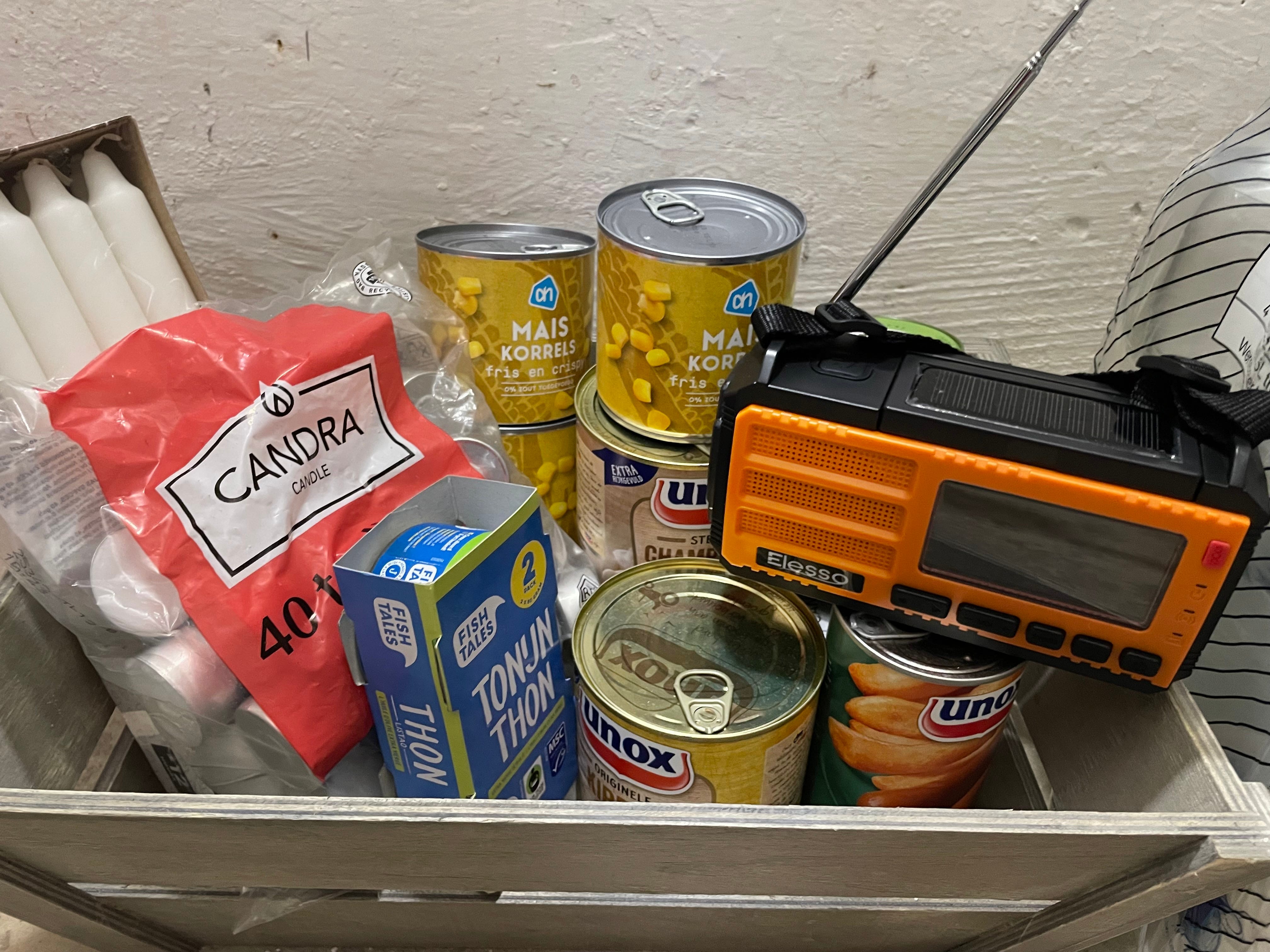
Adding to the surreal feeling on my own personal level was that the same week it seemed like Greenland was about to be invaded, I took delivery of an emergency wind-up and solar powered radio for use in case of a total systems blackout. I’m in the Netherlands now, and around 6 months ago we all received a pamphlet through the letterbox instructing us each to assemble a noodpakket (emergency parcel) to last 72 hours, in case of attack by Putin – or someone else. This noodpakket should include the wind-up radio (which promptly sold out in shops for several months), a torch, spare batteries, candles, a first aid kit, blankets, loo roll, canned food, water, some cash and a whistle for attracting attention. Our noodpakket is still a little sad, although the radio does elevate it slightly from just a tragic basket of tealights and cans of tuna (which I dread). I’ve just seen that you can order a ‘luxury’ ready-made noodpakket for €179 which looks like it has a can of beer in it, or a ‘premium’ one for €399 containing a picture of a woman (that one’s currently reduced from €539).
This prepping is supposed to be in case of attack by an enemy state but, at the hottest point of the Greenland crisis, it started to feel like something useful to have in case one of our allies – namely the US – decided to use its kill-switch to turn off some of our critical infrastructure.
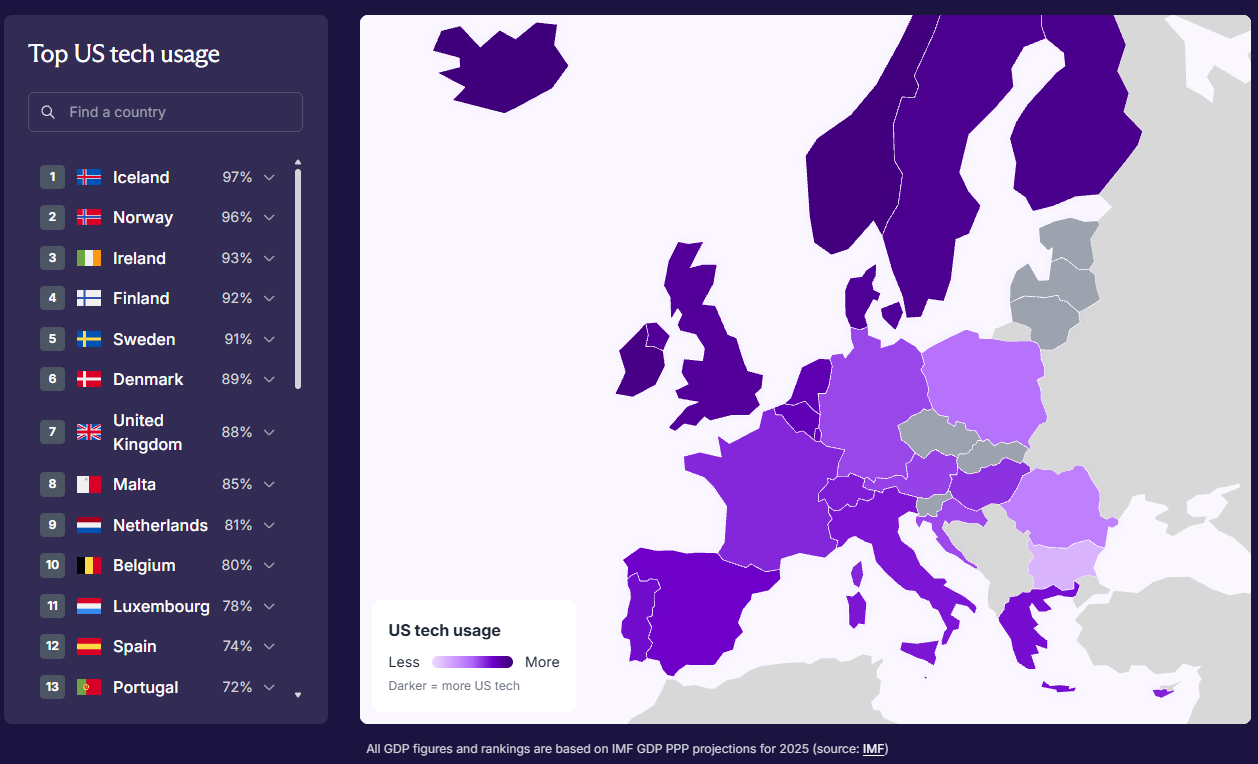
Europe has been rapidly coming to terms with the fact that so much of its critical digital infrastructure depends on US cloud platform providers. It’s the norm for government departments to use Microsoft operating systems, which are all cloud-linked now, and to store vital information on platforms largely provided by the US tech ‘big 3’ (Amazon, Microsoft and Google). An estimated 74% of all publicly listed European companies depend on US-based tech services (with that figure as high as 97% in Iceland, 96% in Norway, and 93% in Ireland).
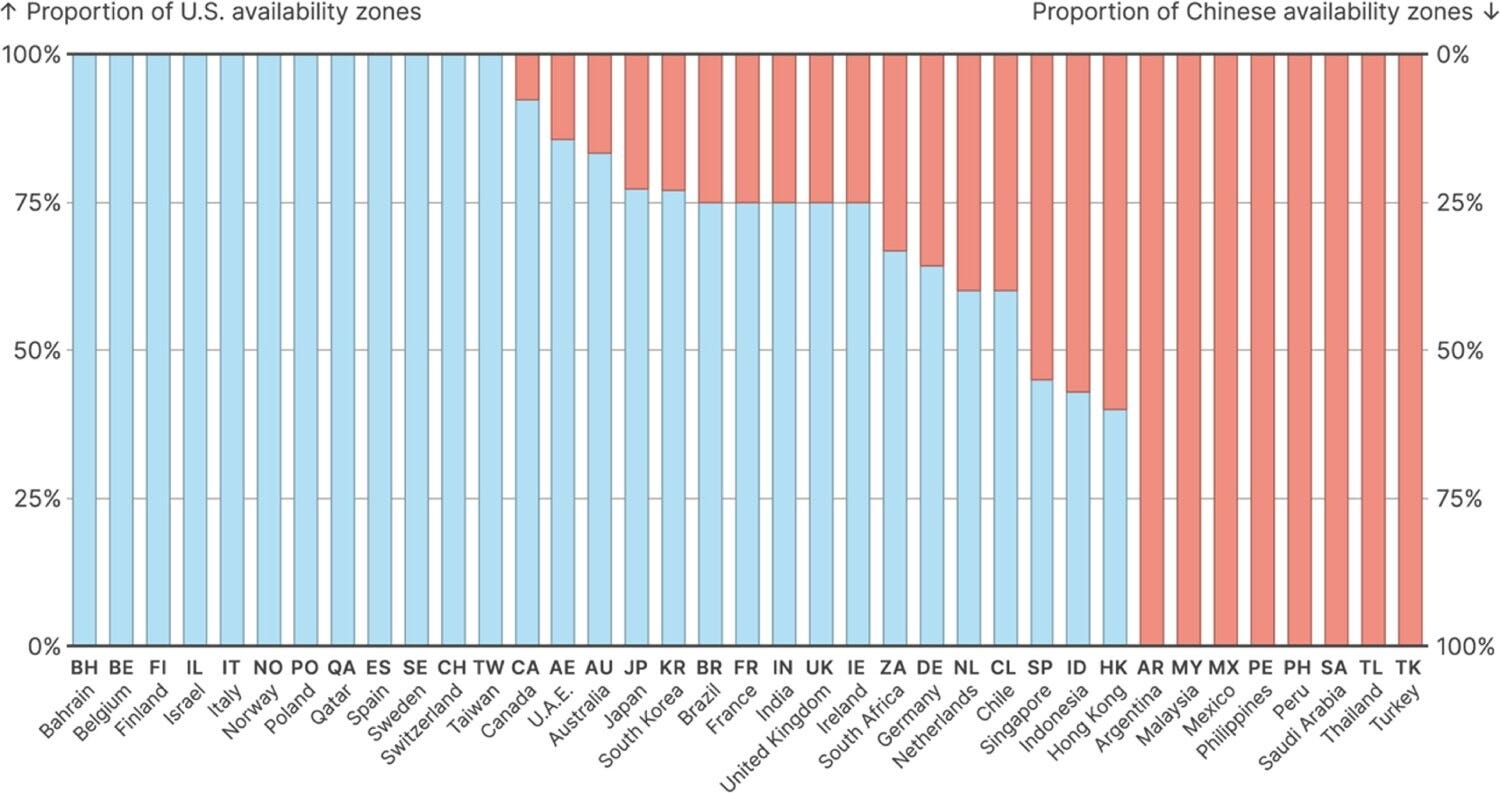
Research by the Oxford Internet Institute has found that the vast bulk of cloud data storage in European countries is provided by US or Chinese firms, with several EU countries being totally reliant on US cloud providers. The problem with all of this is that the US can spy on, compromise or shut down these critical systems if it wants to and that Europe has very little leverage to stop this from happening.
Europe on a digital war footing
In the Netherlands, politicians and the public were already spooked last October by the news that an important provider of government digital services – including the country’s digital ID database – was about to be bought by an American firm. That acquisition is now on hold while its implications are investigated by the Investment Assessment Office (Bureau Toetsing Investeringen).
Fear over that single company’s platforms falling within the scope of American snooping triggered a wider review of Dutch reliance on US tech. NOS, the Dutch equivalent of the BBC, has estimated that 67% of government agencies, healthcare institutions, schools, and vital businesses rely on US cloud platforms, including NOS themselves.
A new Dutch cabinet is about to take office and is expected to continue scrutinising the issue of dependence on US tech. At a roundtable discussion in Parliament last week, the Standing Committee for Digital Affairs discussed practical steps to win back cloud autonomy. One idea floated was to create a state-owned National Cloud Company, similar to the Dutch national grid (TenneT) and the Dutch Railways (NS). Rather than empty the public purse trying to outdo Microsoft and Google salaries, the hope would be that top quality engineers could be attracted to work on such a project by a sense of serving a critical mission for their country.
France is travelling in the same direction, and has already made several steps towards digital autonomy in recent years. The French government is on the cusp of rolling out its own France-hosted video calling software Visio to all government departments. French company Mistral is the only European company at the moment which has succeeded in making an AI large language model that anywhere near rivals the US and Chinese big guns of ChatGPT, Co-Pilot, Claude and Deepseek. To signal how important all of this is to France in terms of national priorities, the name of the responsible ministry was changed in October 2025 to the Ministry of Economy, Finance and Industrial and Digital Sovereignty.
And then there have been goings on at the EU level in recent weeks suggesting there might be some serious momentum for pan-European infrastructure to reduce dependence on the US (and China). On 22 January, the European Parliament approved a resolution to strengthen the ‘stack’ of public digital infrastructure across Europe to reduce its vulnerability to foreign interference. This should mean encouragement of building European cloud infrastructure, as well as protecting other parts of the digital supply chain such as semiconductors, data centres, and AI platforms.
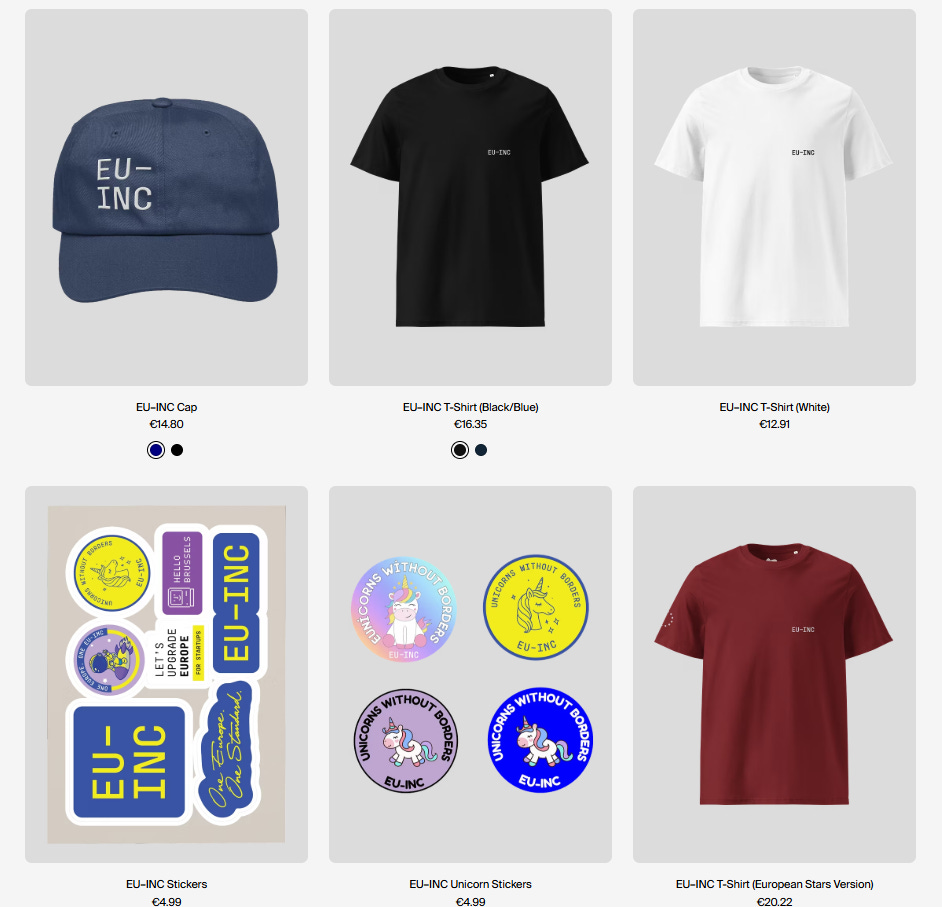
The EU Commission and the current EU Parliament are both apparently supportive of a new investment platform, EU Inc, which is being developed to make it quicker and easier for tech start-ups to raise funding from across the continent. The argument is that because the US is so big and rich, and because everyone speaks the same language, Silicon Valley firms have access to a much bigger pool of potential investors. Achieve the same in Europe, and scaling up should become easier.
Can it really be achieved?
The fact that national governments and the EU have sprung so quickly into action on this is clearly down to the erratic and hostile behaviour of Trump over the past year. But dependence on the US – and indeed non-EU countries more broadly – for the continuance of critical infrastructure has been around much longer than that. It’s clear that the current feeling of solidarity has come from the shock of feeling betrayed. We’ve known for a long time that the US effectively has ‘kill switches’ for many vital systems: visa transactions, GPS, large parts of the internet, the software for some warplanes, and of course the cloud platforms that enable 80% of public and private business activity across Europe. We just didn’t seriously entertain the thought any of these could be used.
Before things got dicey with Greenland, and as recently as November of last year, the EU was only holding a very weak front against the encroachment of US big tech. And despite the recent EU resolution on digital sovereignty, nothing of substance has actually changed. Updates to the EU AI Act, Digital Services Act, and Digital Markets Act are all on hold because US tech companies are resisting regulation. A truly bold move by the EU would be to legislate to restrict their power further – but it’s still not doing that.
Now that the Greenland crisis has cooled, it already feels like some of the urgency is gone. The wind-up radio has gone back in its box, and I’m wondering whether to crack open some of that emergency tuna (for the cat).
Of course it would be a massive job to become even partly independent from US tech. For one thing, setting up national cloud platforms, let alone EU-wide infrastructure, is expensive. And then there’s the question of expertise. There is no other company on earth capable of replicating what Microsoft does – it has decades of experience on any near competitor, and as the leader in its field. Yes, new tech providers like Mistral and Visio have managed to enter the game with top shelf products but those fulfil specific and comparatively narrow sets of tasks.
It’s hard to imagine anyone creating an entire operating system which actually works or an international cloud platform in the space of a few years, no matter the possible propulsion from EU Inc. On a personal level, it’s hard to imagine what would tear me away from Microsoft Excel. No alternative can hold a candle to it, and we all know that’s true.
The other course of action would be to accept a certain level of dependence and try to limit the level of damage that could be done in case of a massive falling out with the US. Microsoft is already operating its European platforms from a ‘sovereign cloud’ and its CEO has apparently said that even if it were asked to shut down systems it wouldn’t do so. How much truth there is to that, we don’t know, but it feels like something to work with, along with the fact that much of the data storage hardware is physically on European soil.
Europe does also have certain points of leverage over the US, and it could create more. The only factory which makes the machines which write the computer chips used in virtually all computing technology – ASML – is located in Eindhoven in the Netherlands. Stopping that supply chain to US companies like Intel and Nvidia would be a serious blow (although there would be a cost for Europe too). If the EU could create more of these dependencies flowing the other way, it might be able to get to a kind of detente – a sort of mutually assured destruction if one party were to press the kill-switch. Again, to future historians: yes, Europe is now in a cold war of sorts with its most powerful ally.

In other news…
On 14 January, the UK government announced a U-turn on plans to require people to present a digital ID card in order to prove their right to work. This was after initially proposing that the new ‘BritCard’ digital ID app would be compulsory for working adults and that employers would, except in unusual circumstances, need to scan people’s BritCards rather than rely on passports or other documents in order to prove their employees’ right to work.
It’s fair to say that the whole scheme now feels like it’s been punctured beyond repair. BritCard had been initially put forward as a way of combatting illegal working and it was already questionable as to whether it would have made much difference. Now ministers have pivoted towards more positive messaging about how much easier interactions with state services will be for people signing up to the card, but whether many will be convinced by that remains to be seen.
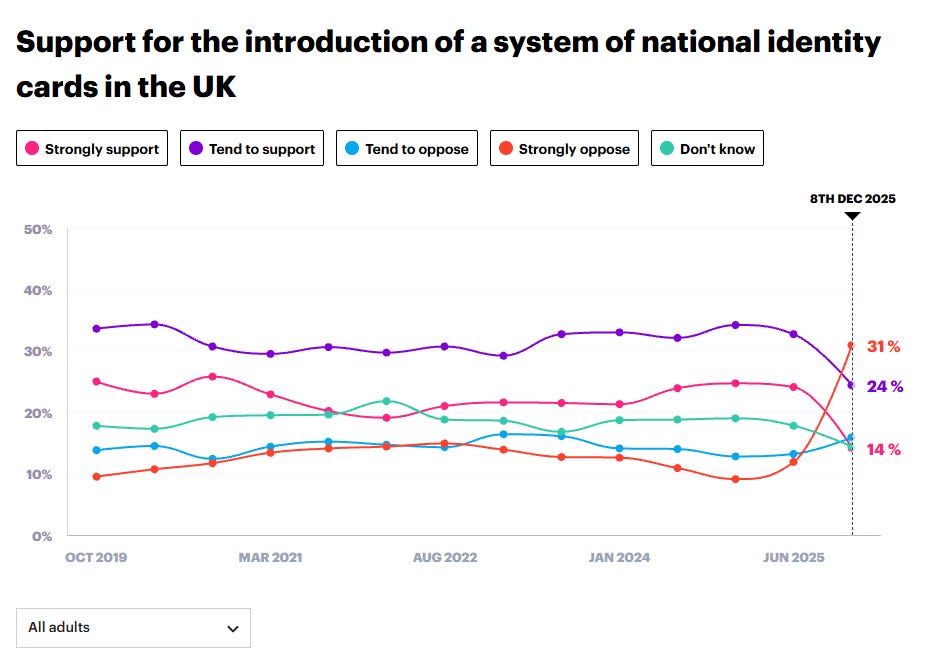
There are still big questions which need to be answered about who will run the scheme and have access to the data. The government does not seem to be directly confronting the fact that people are becoming more suspicious of data gathering, nor are opposition politicians offering anything constructive on this front. YouGov’s tracker on support for national ID suggests sceptical coverage and debate on the policy back in the autumn flipped a lot of people directly from support to strong opposition.
Until next time!
Originally published on Substack: https://georginasturge.substack.com/p/the-dream-of-digital-sovereignty